Boarding Medication Guide for Healthy Stays
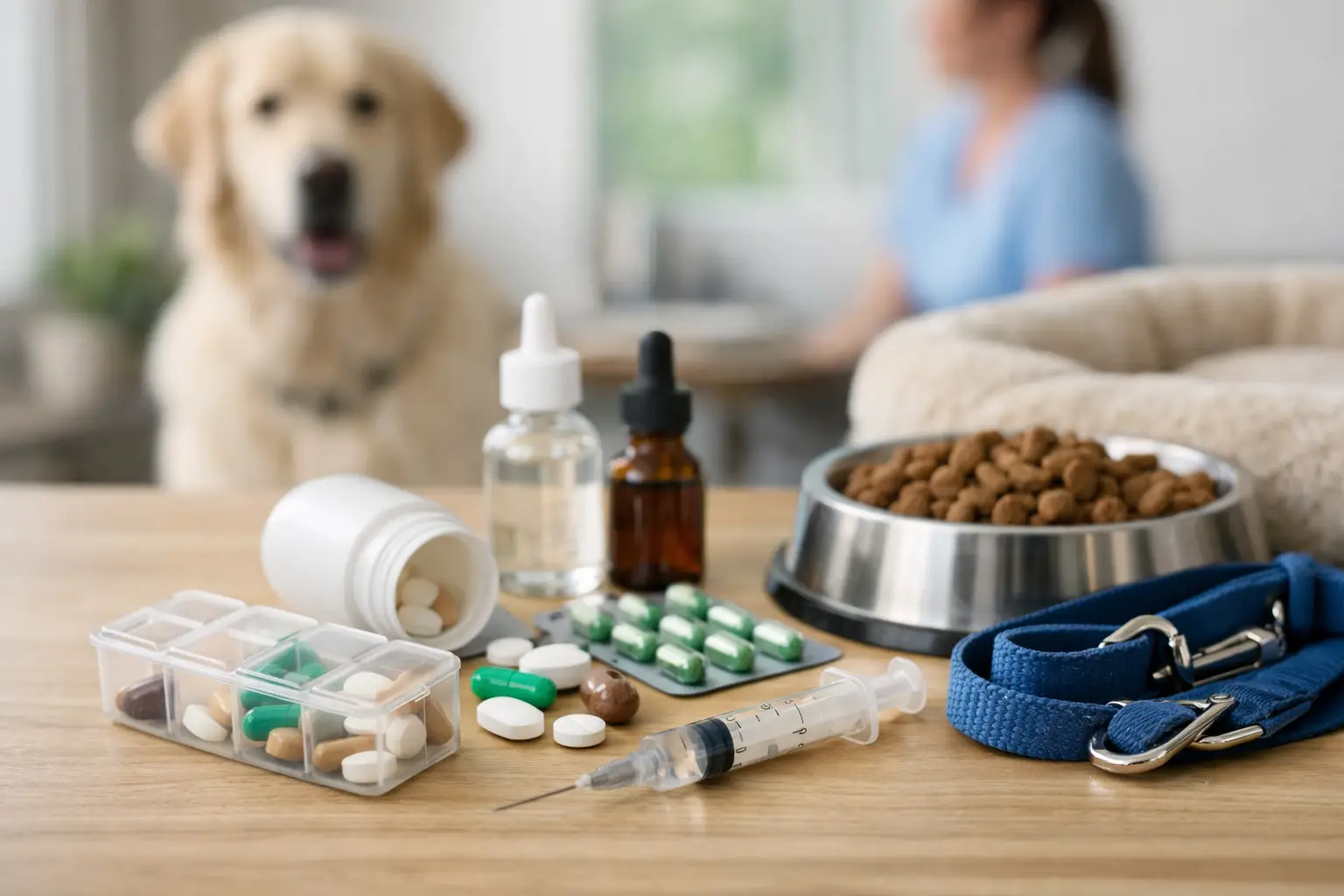
A trip should not mean crossing your fingers about your dog’s medication routine. Whether your pup takes a daily allergy tablet, a joint supplement, or a prescription that needs careful timing, a thoughtful boarding medication guide helps your care team keep their stay comfortable, safe, and tail-waggingly normal.
The best boarding medication plan is not complicated. It is clear. When your dog’s instructions, supplies, and health details arrive organized, the team can spend less time sorting through questions and more time giving your pup the attentive care they deserve.
Why medication details matter during boarding
Dogs thrive on routines, especially when they are away from home. New smells, new friends, playtime, rest periods, and overnight care can make a boarding stay exciting, but it is still a change of scenery. Consistent medication helps maintain the routine their body already knows.
A label that says “one pill daily” may sound simple, but a caregiver may still need to know whether that means morning or evening, with food or without it, and what to do if your dog refuses breakfast. Tiny details can make a real difference.
That is why good communication is part of good care. Your boarding team should have the information they need before you head out, while you should feel confident that your dog’s regular needs are understood.
Boarding medication guide: start before drop-off day
Do not wait until the lobby handoff to explain a medication routine. A quick call or message before your reservation gives the facility time to confirm its medication procedures, ask the right questions, and let you know what is accepted.
Every boarding provider has its own guidelines. Some may administer certain oral medications but not injections. Others may require medications in original prescription packaging, a signed authorization form, or enough doses for the full stay plus a small buffer. If your dog has a complex medical condition, recent illness, or medication that requires special monitoring, ask whether boarding is the right fit or whether veterinary-supervised care is a better option.
It is also smart to check in with your veterinarian before travel if anything about your dog’s prescription has recently changed. A boarding team can follow clear care directions, but your vet is the best source for medical advice, dosage changes, and questions about side effects.
Share the full routine, not just the dose
When you provide medication information, think about your dog’s normal day at home. Is the pill hidden in a spoonful of wet food? Does your dog happily take it in a treat, or have they become a tiny furry detective who can spot a tablet from across the room? Does a dose need to happen after dinner, before a walk, or at a specific hour?
Those details help caregivers support your dog without adding unnecessary stress. Be honest if your pup is tricky about medication. There is no judgment here. Knowing ahead of time is far better than discovering it at dose time.
What to pack for your dog’s medication
Medication should arrive clean, clearly labeled, and ready for the full boarding stay. Original containers are usually the safest choice because they identify the pet, medication name, dosage, prescribing veterinarian, and expiration date.
For a smooth handoff, bring:
Enough medication for every scheduled dose, plus a little extra in case travel plans change
The original prescription bottle or manufacturer packaging with a readable label
Written instructions for dosage, timing, food requirements, and administration preferences
Any approved pill pockets, treats, or food toppers your dog needs to take medication successfully
Your veterinarian’s name and phone number, along with an emergency contact who can make decisions if needed
Avoid sending loose pills in an unmarked baggie or container. Even if you know exactly what they are, a care team should never have to guess. It is also wise to leave medications for other pets and people at home. Boarding supplies should be clearly separated and only include what your dog needs.
Keep instructions simple and specific
A short written note can prevent confusion. Include your dog’s name, each medication’s name, the amount to give, the time it should be given, and whether it needs food. If a medication has a particular purpose, such as anxiety support during thunderstorms or pain management after an injury, include that context as well.
For example: “Charlie takes one 25 mg tablet with his evening meal between 5:00 and 6:00 p.m. He takes it best in a chicken pill pocket. If he does not eat, please contact us before administering.” That is much more useful than “Charlie gets his nightly pill.”
If your dog has an as-needed medication, explain exactly when it should be used and who should be contacted before it is given. Vague instructions like “if he seems anxious” leave too much room for interpretation. Your veterinarian can help you create appropriate, clear directions.
Be thoughtful about food, treats, and supplements
Medication routines often depend on food. Some medications must be given with a meal to avoid stomach upset, while others work best on an empty stomach. Let the boarding team know which applies to your dog and send the food or treat that supports the routine if needed.
Supplements count, too. Fish oil, probiotics, calming chews, joint support, and other wellness products may feel less formal than prescriptions, but they can still affect your dog’s routine and should be disclosed. Bring them labeled, with written serving instructions, rather than assuming they can be handled like ordinary treats.
There can be a trade-off here. Sending your dog’s favorite cheese cube might make a pill easier to administer, but a rich new food can upset a sensitive stomach during an already exciting stay. When possible, stick with something your dog knows and tolerates well.
Prepare your dog for a calmer stay
A little practice before boarding can go a long way. If your dog only takes medication after a 10-minute negotiation under the kitchen table, try building a more positive routine before your trip. Pair the medication moment with calm praise, a familiar treat, and a predictable cue.
You can also practice taking pills with the same type of treat or food you plan to send. The goal is not perfection. It is helping your dog recognize medication time as a normal, low-pressure part of the day.
For dogs who are nervous in new environments, tell the team what helps them settle. A quiet break, a favorite bedtime routine, gentle handling, or a little extra time with a familiar comfort item can make a big difference. Medication is one piece of the care plan, not the whole picture.
At drop-off, make time for a real handoff
The handoff is your chance to confirm that everything came through correctly. Review the medication container, written instructions, food notes, and emergency contact information with the staff member receiving your dog. If anything changed since you first booked - a new prescription, a missed dose that morning, a recent upset stomach, or a change in appetite - say so plainly.
This is also the moment to ask how the facility handles updates if a question comes up. You should know who will contact you, what information they may need, and whether an emergency contact can authorize decisions when you are unreachable.
At BoneYard Seattle, the goal is simple: help every dog feel cared for while their people are away, with clear communication at the center of the stay. A little prep lets the whole pack focus on what matters most - comfort, connection, and a happy homecoming.
When you return home
Bring your dog back into their usual routine gradually. Confirm whether any medication remains, then return to your normal schedule as directed by your veterinarian. It is common for some dogs to be extra sleepy after a social boarding stay, while others may need a quiet evening to decompress.
If your dog has unusual symptoms, skips meals, or seems different in a way that concerns you, contact your veterinarian. And before your next trip, take a minute to update your medication note with anything that worked especially well. The best care plans get easier every time your dog and their care team learn each other’s rhythm.
A well-labeled bottle and a few clear instructions may not look glamorous, but they are a powerful way to send your best friend off with confidence. Pack the details, share the routine, and leave room for the fun part: coming home to a dog who is ready to tell you all about their stay.


Comments