How to Build Dog Community That Feels Like Home
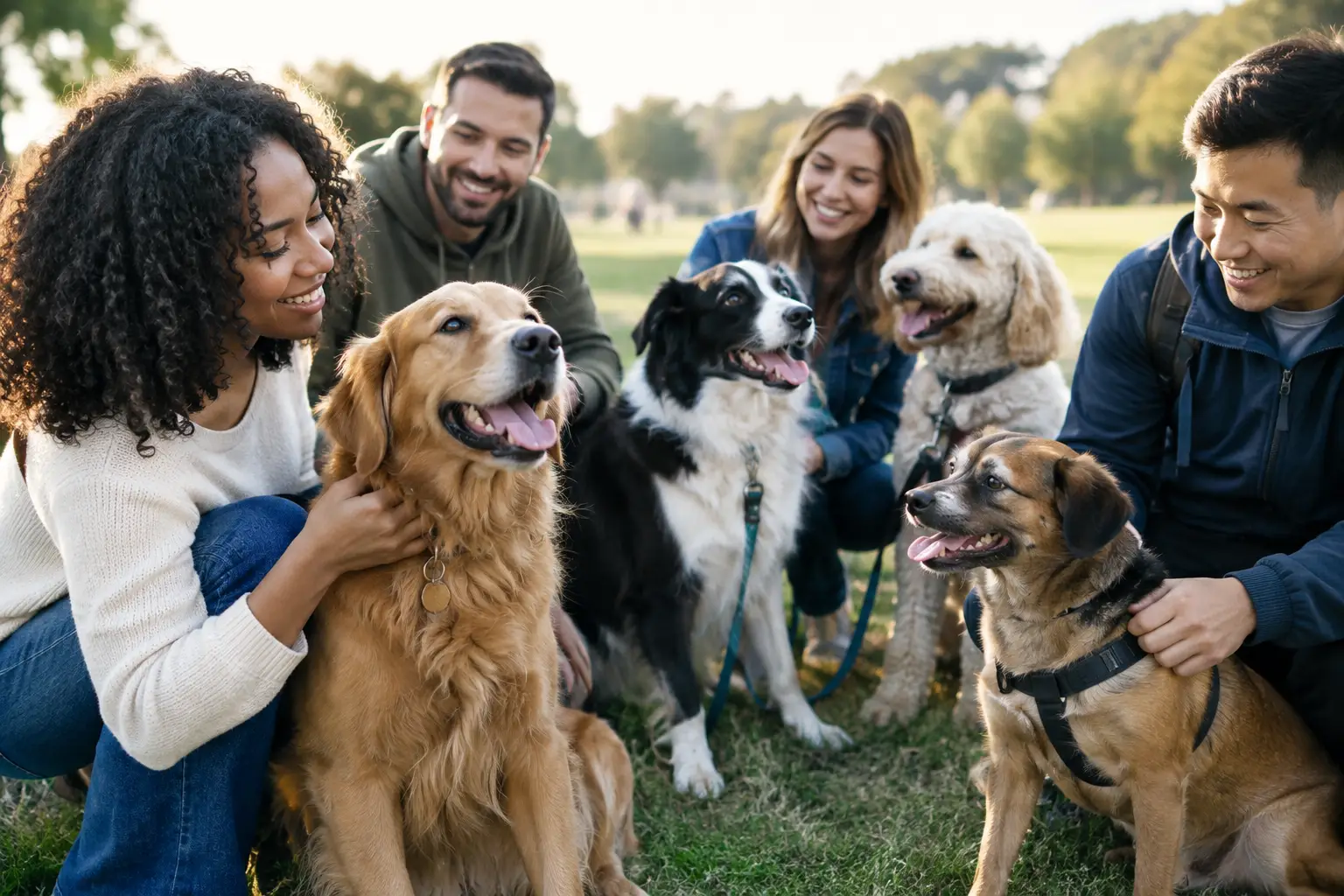
A tired dog after a good play session is a beautiful thing. But a dog who trots toward the door because they recognize their friends, trust the people inside, and know exactly where the fun begins? That is something bigger. Learning how to build dog community is about creating those familiar, tail-wagging moments for dogs and the humans who love them.
For Seattle dog parents, community can make the everyday stuff feel lighter. A weekday daycare drop-off becomes a chance for your pup to socialize. A rainy afternoon becomes an excuse to meet a neighbor. A night out does not have to mean leaving your best buddy at home. The goal is not a packed room or a long list of acquaintances. It is a trusted pack built on consistency, care, and plenty of room to be yourselves.
How to Build Dog Community Starts With Trust
Dogs are excellent judges of whether a space feels good. They notice the energy in the room, the pace of introductions, and whether the people around them understand their signals. Their humans notice those things, too. Before social connection can grow, everyone needs to feel safe.
That starts with thoughtful standards. Dogs need appropriately matched play groups, attentive supervision, clean spaces, and breaks when excitement runs high. Not every dog is ready for a busy group setting right away, and that is completely okay. A confident community makes room for the enthusiastic greeter, the shy observer, the puppy still learning manners, and the older dog who prefers a smaller circle.
Trust also grows when expectations are clear. Pet parents should know how dogs are introduced, how staff handle play, and what happens when a pup needs a breather. When care is reliable, people can relax enough to actually connect. Instead of worrying whether their dog is okay, they can trade neighborhood recommendations, compare favorite walking routes, or simply enjoy a drink while their dog makes plans of their own.
Create Reasons to Come Back
Community rarely forms during one perfect event. It forms through repeat encounters. The dog who sees the same playful pal every Tuesday starts to recognize them. The human who keeps running into another pet parent at pickup eventually learns their name. Familiarity is the quiet magic behind belonging.
Build routines that give people a reason to return. Regular daycare days, recurring puppy social hours, training support, breed-friendly meetups, and relaxed weekend playtime all create natural opportunities for connection. A calendar matters, but it does not need to be overstuffed. A few dependable gatherings are more valuable than a dozen one-off events that are hard to remember.
Timing matters, especially for busy Seattle households. Working professionals may want an easy drop-off before the office and a social stop after work. New dog owners may be looking for low-pressure chances to practice handling and introductions. Couples and friends may want a place where a casual happy hour includes the dog instead of excluding them. The best community programming meets people where their real lives already are.
There is a trade-off here: bigger events can bring excitement and new faces, while smaller gatherings can feel safer and more personal. Both have a place. A lively patio-style celebration may be perfect for outgoing dogs and social humans. A guided small-group introduction can be much better for pups who need time to settle in. Community is not one size fits all, and it should not pretend to be.
Give Dogs a Job Beyond Just Playing
Play is powerful, but it is not the only way dogs connect. Dogs often do better socially when there is a little structure around the fun. A simple training game, a sniff-and-search activity, a calm decompression period, or a group walk can help dogs share space without feeling pressure to perform.
This is especially useful for dogs who are social but not rowdy. Some pups would rather explore, observe, or hang close to a trusted person than wrestle in the middle of the room. Giving them options makes the community more welcoming and helps prevent the idea that a "good" dog has to be the loudest dog in the pack.
For pet parents, shared learning creates easy conversation. Someone practicing a polite greeting with their adolescent dog may connect with another owner going through the same phase. A trainer's quick tip can turn into encouragement, a laugh, and a new friendship. The point is not perfection. It is having a supportive place to work through real dog life together.
Make Space for the Humans, Too
Dogs may be the social spark, but their people need a reason to linger. If every interaction happens at the curb during a rushed handoff, relationships stay brief. Comfortable places to sit, food and drinks, clear sightlines, and a warm welcome invite people to slow down.
That does not mean every visit has to become a social event. Some days, you want to pick up your dog, hear they had a great day, and head home for couch time. A strong dog community respects that. It offers connection without making anyone feel like they need to join the party.
When people do want to stay, hospitality changes the experience. A dog-friendly bar or bistro can turn a practical errand into an easy neighborhood ritual. Friends can meet without figuring out who is going home to let the dog out. Newcomers can show up solo and still have a built-in conversation starter at the end of their leash.
At BoneYard Seattle, that blend of professional care and social space is the heart of the experience: a place to raise a cup, wag a tail, and find your pack. It is not about forcing friendships. It is about making room for them to happen naturally.
Help Newcomers Feel Like They Belong
The fastest way to shrink a community is to let it feel like a private club. New dogs and new people need an easy on-ramp. A friendly greeting, a clear orientation, and a little guidance about how the space works can make a first visit feel far less intimidating.
For dogs, introductions should be paced with their personality in mind. Letting a nervous dog enter a loud, unfamiliar group too quickly can create a rough first impression. A gradual welcome, a quieter area, or a carefully chosen canine buddy may be the better route. Good socialization is not about exposure at all costs. It is about positive experiences that build confidence.
For humans, the same principle applies. Avoid insider language and make it easy to ask questions. Celebrate first visits, but do not put anyone on the spot. Staff can help by making introductions based on real common ground: two puppy parents navigating teething, two regulars with dogs who love fetch, or neighbors who live a few blocks apart.
Small gestures carry weight. Remembering a dog's name is great. Remembering that they like a little extra time to warm up is even better. When people see their dogs being known as individuals, they feel seen, too.
Let Shared Values Set the Tone
The best dog communities are not held together only by cute photos and mutual appreciation for floppy ears. They have a shared understanding of what care looks like. That might mean picking up after your dog, respecting a dog's boundaries, keeping sick pups home, and recognizing when play needs a pause.
Kindness is part of the culture. So is accountability. If a dog is overwhelmed or needs a different setup, the answer should never be shame. It should be a calm plan that protects the dog, the group, and the relationship with the owner. Families trust spaces that put wellbeing ahead of appearances.
This is also where community can be genuinely helpful. Dog ownership has joyful moments, messy moments, and plenty of questions that do not fit neatly into a search bar. A local pack can offer practical perspective, from rainy-day enrichment ideas to reassurance that your adolescent dog is not the only one with selective hearing.
Keep the Connection Going Between Visits
A community should not disappear the second someone clips on a leash and heads home. Gentle follow-up keeps the good feeling alive. Share a happy note from a dog's day, celebrate a birthday, invite regulars to an upcoming gathering, or highlight a small win from training. The message should feel personal, not like noise.
Photos and updates can be lovely, but consent and privacy still matter. Some people enjoy seeing their dog celebrated; others prefer a quieter experience. Ask, listen, and give families control over how they participate.
Most of all, keep the invitation open. The person who could not make last month's event may show up next time. The nervous rescue dog may become a confident regular after a few patient visits. The neighbor you only knew by their golden retriever's name may become a real friend.
A great dog community is built one familiar face, one well-managed play session, and one shared laugh at a time. Give dogs room to be dogs, give people room to exhale, and let the pack grow at its own happy pace.


Comments