What a Clean Dog Boarding Facility Should Feel Like
The quickest way to judge a clean dog boarding facility is not by how good it looks in one photo. It is by what you notice when you walk in: fresh air, calm routines, clean paws, staff who know the dogs, and a space that feels made for wagging tails rather than simply storing them.
When your dog stays overnight, cleanliness is part of care. It supports comfort, helps limit the spread of illness, and gives your pup a better chance to settle into a new routine while you are away. For Seattle dog parents, that peace of mind matters just as much as a cozy place to sleep.
What a Clean Dog Boarding Facility Looks Like
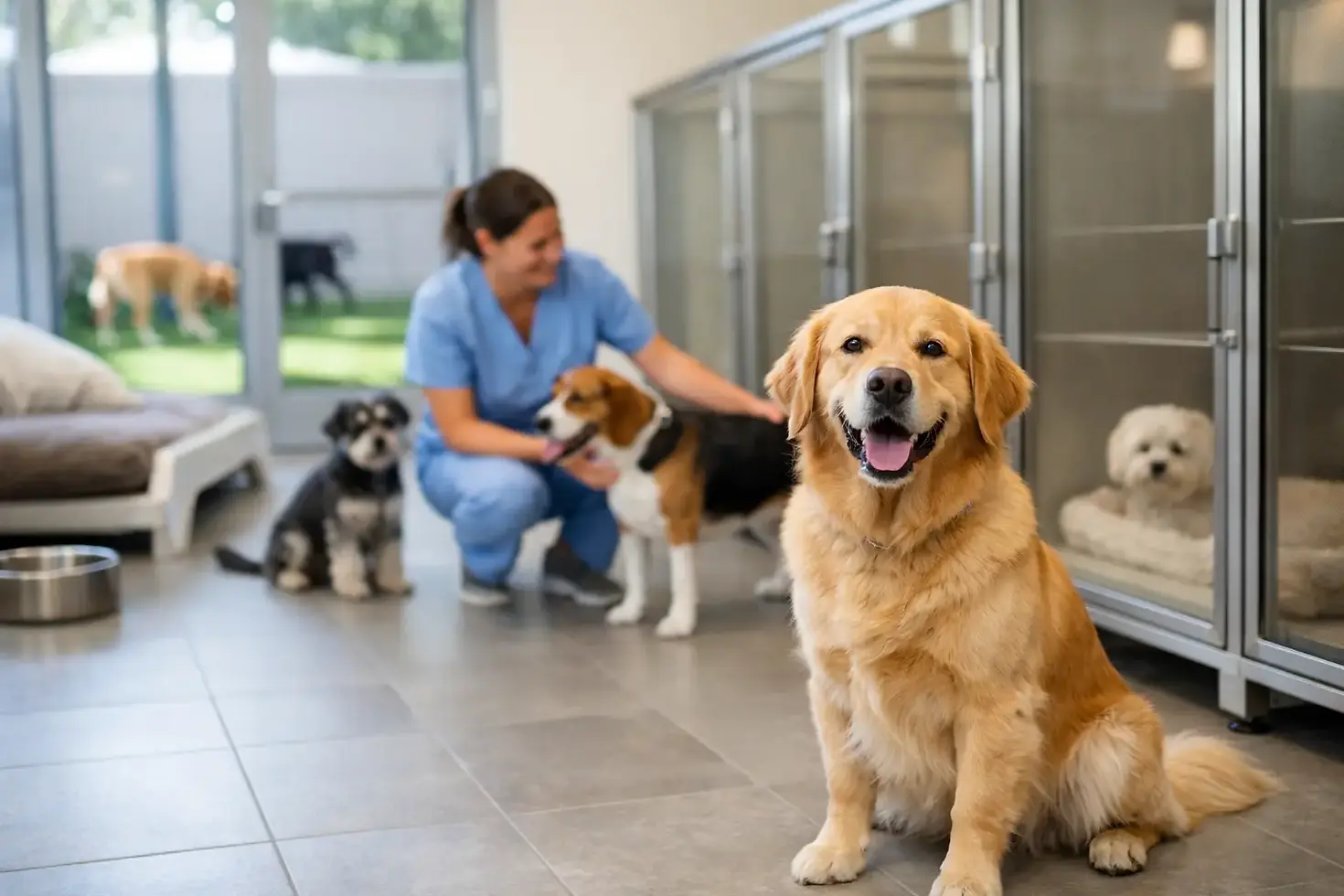
A clean space should feel cared for from the front door to the overnight rooms. Floors should be free of lingering messes, water bowls should be refreshed, and play areas should be maintained throughout the day, not just tidied up after closing. You should not have to wonder whether the last dog left a little too much behind.
That said, a dog facility is still a dog facility. You may catch the scent of wet fur after a rainy Seattle walk or hear a lively chorus during group play. Clean does not mean sterile, silent, or stripped of personality. It means the environment is actively managed so dogs can play, rest, eat, and sleep in a space that is hygienic, comfortable, and genuinely inviting.
Look beyond the lobby, too. A bright reception area is lovely, but the real standard shows up in the places dogs spend their time: play spaces, resting areas, food-prep zones, outdoor relief areas, and bedding. A good facility is happy to talk through how those areas are cleaned and how often they are checked during the day.
Cleanliness Is a Daily Rhythm, Not a Closing Task
The strongest boarding programs treat sanitation as part of the day-to-day rhythm. Accidents happen. Water gets splashed. Dogs track in dirt. The important question is what happens next.
Staff should be attentive enough to spot messes quickly, clean them with pet-appropriate products, and return the area to a safe, comfortable state without disrupting every dog in the room. High-touch surfaces, gates, bowls, toys, and shared play equipment need regular attention as well. When those details are handled consistently, the whole place feels calmer.
Overnight areas deserve their own standards. Fresh bedding, clean bowls, dry floors, and thoughtfully separated feeding and resting spaces can make a major difference for a dog who is away from home. Some pups are social sleepers. Others need more quiet and personal space. Clean boarding is not one-size-fits-all. It supports both the tidy, easygoing dog and the pup who arrives with a sensitive stomach, muddy paws, or a little first-night nervousness.
Fresh air matters more than fancy finishes
A beautiful facility can still feel stuffy, while a practical one can feel wonderfully fresh and comfortable. Good airflow helps manage odor and keeps shared spaces more pleasant for dogs and people. Ask yourself whether the facility smells clean, not heavily perfumed. Strong fragrances can mask a problem rather than solve one, and some dogs are sensitive to them.
Fresh air also contributes to the overall experience. Dogs who are playing, napping, and boarding in a well-maintained space tend to have an easier time relaxing. Their humans notice it, too. Picking up your dog should feel like a happy reunion, not a moment when you are immediately reaching for the bath supplies.
Healthy Dogs Need Thoughtful Group Play
Cleanliness and safe social play go hand in hand. A well-run boarding facility does not treat every dog like they belong in the same playgroup. Dogs have different sizes, play styles, energy levels, and social comfort zones. Grouping them thoughtfully helps prevent stress and gives staff a better view of each dog's behavior and needs.
Before booking, ask how dogs are introduced to daycare or group play, how staff monitor interactions, and what happens when a dog needs a break. A clean facility can still be overwhelming if the play environment is too chaotic. The best fit balances movement and enrichment with rest, supervision, and room for dogs to simply be dogs.
This is especially useful for boarding guests. A dog who has had an appropriate amount of activity during the day may settle more comfortably at night. But more play is not always better. Senior dogs, young puppies, and dogs who are new to boarding may need shorter sessions, extra rest, or a quieter routine. Good care adapts instead of pushing every pup into the same schedule.
Staff Attention Makes the Difference
Cleaning products and polished floors matter, but people make the care experience. The staff should be trained to recognize changes in energy, appetite, bathroom habits, and body language. A dog who skips breakfast, avoids play, or seems unusually tired may simply be adjusting, but those signals still deserve attention.
You want a team that can tell you more than, “Your dog did great.” The best updates include the small details that show someone was paying attention: who your dog played with, whether they took a cozy afternoon nap, how they ate, or whether they preferred a little quiet time after dinner.
For many dogs, boarding is easier when the people around them feel familiar and kind. A friendly hello at drop-off, a calm handoff, and a staff member who learns your dog's quirks all help turn an unfamiliar night into a manageable one. That is the difference between basic boarding and care that feels personal.
Clear health policies protect the whole pack
A clean dog boarding facility should also have clear expectations around vaccinations, wellness, and illness. These policies are not meant to make life difficult for pet parents. They help protect every dog sharing the space, including yours.
Ask how the facility handles a dog who becomes sick, what communication you can expect if there is a concern, and whether there is a plan for separating dogs who need a little extra care. You do not need a complicated medical lecture. You do deserve clear, confident answers.
Transparency is a good sign in every part of boarding. If a team can explain how they clean, supervise, feed, rest, and communicate, it shows they have put thought into the experience. Trust is built in those practical details.
Boarding Should Still Feel Like a Good Day
Dogs do not know you are traveling for work, attending a wedding, or finally taking that long-overdue weekend away. They just know their routine changed. A boarding environment that combines attentive care with a warm, social atmosphere can make that change feel less abrupt.
That is why the surrounding experience matters. Dogs benefit from structured play, restful spaces, and caring people. Their humans benefit from a place that feels welcoming instead of clinical. At BoneYard Seattle, the idea is simple: dogs deserve thoughtful care, and dog people deserve a place where they can feel part of the pack, too.
For some families, traditional kennel-style boarding is the right fit, especially for dogs who prefer quiet and minimal stimulation. For others, a more social setting with supervised activity is a better match. There is no universal answer. The right choice is the place that understands your dog, maintains high standards, and makes you feel comfortable asking every question on your mind.
Questions Worth Asking Before You Book
A quick tour and a few direct questions can tell you a lot. Ask how often play and boarding areas are cleaned, whether bedding and bowls are individualized or refreshed between guests, and how staff monitor dogs overnight. Find out how feeding instructions and medications are handled, particularly if your dog has allergies or a sensitive routine.
Pay attention to how the team responds. Clear answers are reassuring, but so is honesty. A thoughtful facility will not promise that every dog loves every moment of boarding. Instead, they will explain how they help dogs adjust, when they offer breaks, and how they communicate if a pup seems stressed or needs a change of plan.
If possible, consider a daycare visit or shorter stay before a longer trip. It gives your dog a chance to become familiar with the people, sounds, and routine. It also gives you a chance to see whether the facility feels as good in person as it did online.
Your dog may not care about stylish decor or a clever name for the nap room. They care about feeling safe, being comfortable, and having kind people nearby. Choose a place where clean floors, fresh bedding, thoughtful play, and genuine affection are all part of the same daily promise - then go enjoy your time away knowing your best friend has found their pack.


Comments