Daycare Routine for High Energy Dogs That Works
- classickayleedesig
- Jun 24
- 6 min read
If your dog comes home from daycare somehow still ready to sprint laps around the living room, the issue usually is not a lack of activity. It is a lack of rhythm. The right daycare routine for high energy dogs is not about keeping them moving nonstop. It is about giving them the right mix of play, rest, structure, and supervision so all that energy has somewhere healthy to go.
High-energy dogs are often the life of the party. They are social, eager, athletic, and always ready for one more game. They can also get overstimulated fast. When that happens, daycare stops feeling fun and starts feeling chaotic. A solid routine helps prevent that spiral. It keeps dogs engaged without letting the day turn into one long wrestling match.
Why a daycare routine for high energy dogs matters
A lot of people assume an active dog simply needs more exercise. Sometimes that is true, but it is only part of the picture. Many high-energy dogs need help with transitions just as much as they need room to run. They do best when their day has a clear flow - arrival, movement, social time, reset, more activity, another reset, and a calm exit.
That structure matters because excitement can look a lot like stress. A dog who is zooming, barking, body-slamming friends, and refusing to settle may not be having the best day, even if they seem thrilled. Good daycare should burn energy, yes, but it should also build better behavior. That means balancing stimulation with downtime and using the group environment thoughtfully.
For busy Seattle dog parents, this is often the difference between picking up a dog who is pleasantly tired and picking up one who is fried. There is a big difference.
What a balanced day actually looks like
A strong daycare routine for high energy dogs usually starts with a calm check-in. That first moment sets the tone. Dogs who charge straight into a crowded group at full speed can tip into over-arousal before the day even gets going. Staff who know how to pace introductions, read body language, and guide dogs into the room gradually help create a safer, smoother start.
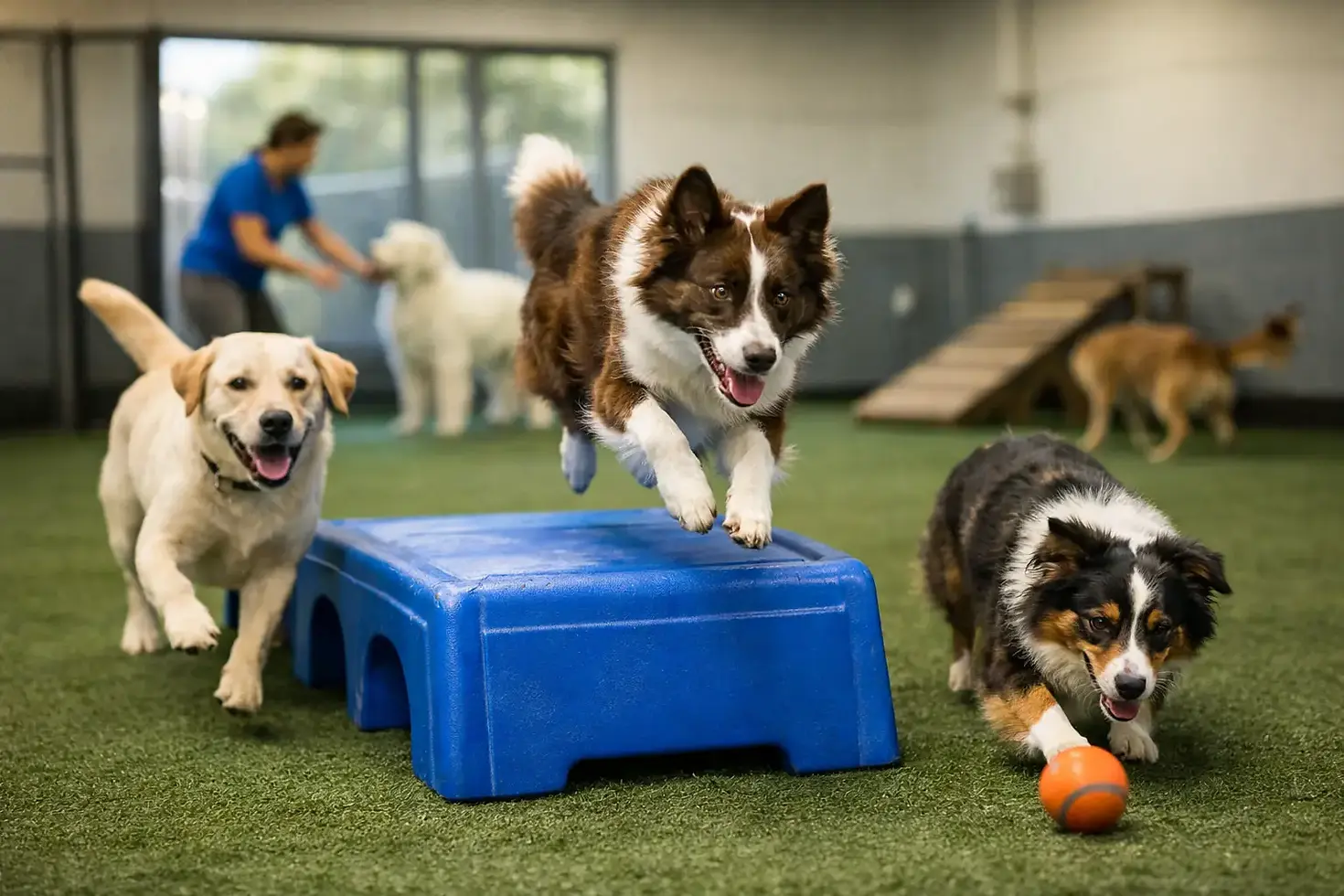
Once dogs are settled, active play should happen in waves. This is where many pet parents picture a free-for-all, but the best daycare environments are more intentional than that. Group play can be fantastic for social dogs, especially when dogs are matched by size, play style, and energy level. The goal is not maximum chaos. The goal is good play.
Good play has pauses. Dogs shake off, disengage, switch roles, and respond to handlers. If there are no breaks, even the friendliest high-energy dog can start making sloppy decisions. That is why rest periods are not a bonus feature. They are part of the program.
Activity should be purposeful, not nonstop
A great daycare day includes movement, but not all movement does the same job. Chase games, open play, toy time, and basic training refreshers each meet different needs. Some dogs need social wrestling to feel satisfied. Others are better served by structured games or short bursts of play followed by quiet time.
This is where experience matters. A young doodle who wants to greet every dog in the room may need help learning when to settle. A cattle dog mix may need more mental work than pure physical output. A lab who loves everyone may still need breaks before their enthusiasm turns into bowling-ball energy.
There is no one-size-fits-all formula. The best routine adjusts to the dog in front of you.
Rest is where the magic happens
It can feel strange to pay for daycare and hear that your dog spent part of the day resting. For high-energy dogs, that rest is often exactly what helps the rest of the day succeed. Without downtime, dogs can stack excitement on top of excitement until they are too amped to make good choices.
Planned quiet time helps the nervous system reset. It lowers the chance of cranky interactions, stress barking, and rough play. It also teaches an incredibly valuable life skill: after fun comes calm.
That lesson matters at home too. Many active dogs are not actually under-exercised. They are under-practiced at settling. A daycare routine that includes regular decompression can help build that muscle over time.
The signs a routine is working
When daycare is a good fit, you usually see the benefits outside the facility too. Your dog comes home happy, not frantic. They rest more easily. Their behavior feels more even. You may notice fewer nighttime zoomies, less attention-seeking chaos, and a better ability to settle after excitement.
You should also see emotional confidence. Dogs with a healthy daycare rhythm often become more comfortable with transitions, more polite in group settings, and more responsive to human direction. They still have their spark. They just wear it better.
One small note here: tired is not always the same as fulfilled. A dog who collapses for six hours after daycare may simply be overstimulated. A dog who naps, recharges, and wakes up feeling balanced is usually having the better experience.
What pet parents should look for in a daycare setting
If you are searching for the right fit, pay attention to how the day is organized. Ask how dogs are grouped, how often they rest, and how staff handle dogs who are getting too amped up. If the answer is basically nonstop play until pickup, that is not always a win for a high-energy dog.
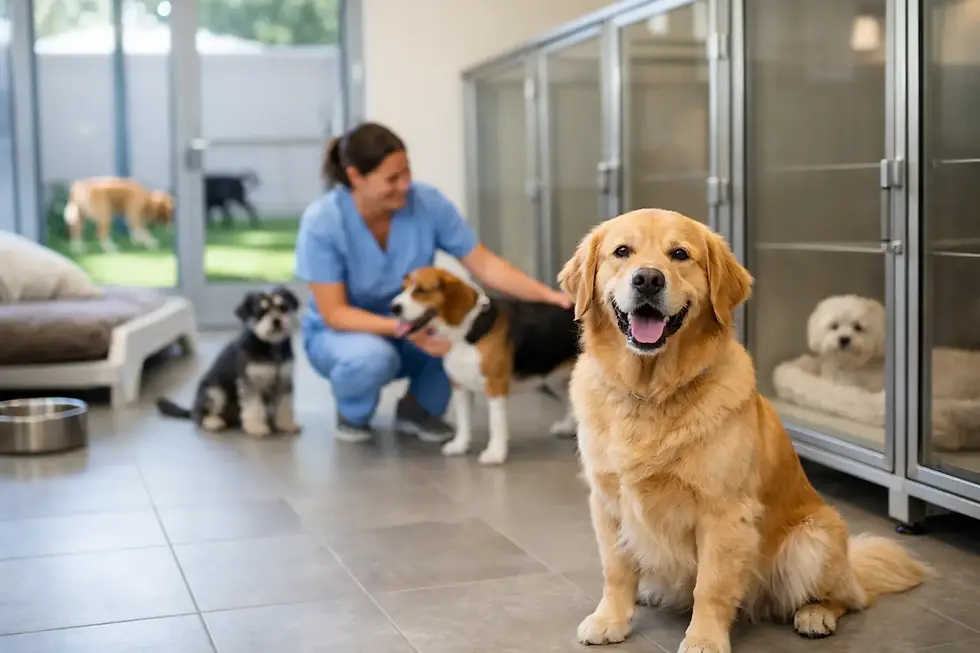
Cleanliness matters too, especially in a busy urban setting where convenience only works if care standards stay high. So does staffing. High-energy dogs do best when there are trained people actively managing the room, not just watching from the sidelines.
It also helps when the environment feels welcoming for humans, not just dogs. For many pet parents, daycare is part of the weekly routine, not a once-in-a-while errand. A space that feels community-centered, organized, and upbeat makes the whole experience easier. That is part of what makes a place like BoneYard Seattle feel less like a drop-off and more like part of your pack.
How often should high-energy dogs go to daycare?
This depends on the dog. Some thrive with two or three daycare days a week and spend the in-between days recovering, walking, and hanging at home. Others do well with a more regular schedule, especially if their home routine is quieter during the workweek.
More is not always better. For some dogs, too many daycare days can lead to over-arousal or dependency on constant stimulation. For others, a predictable routine brings relief and stability. Age, breed mix, social comfort, and recovery time all matter.
The sweet spot is usually the schedule where your dog stays social and satisfied without looking wrung out. If they seem extra mouthy, restless, or slow to recover after daycare, they may need fewer days or a more structured environment. If they come home balanced and wake up ready for a normal next day, that is a good sign.
How daycare and training support each other
For high-energy dogs, daycare works best when it reinforces manners, not just movement. That does not mean every hour needs to feel like class. It means dogs should be guided toward better choices throughout the day.
Waiting at gates, responding to redirects, taking breaks, greeting politely, and settling after play are all valuable skills. In a quality daycare environment, those moments happen naturally. The result is a dog who is not only tired, but easier to live with.
That is especially helpful for city dogs. Apartment life, elevators, sidewalks, patios, and neighborhood gatherings all ask dogs to switch gears often. A routine that blends fun with calm can make everyday life smoother for everyone.
Building the right kind of tired
The best daycare routine for high energy dogs does not chase exhaustion for its own sake. It builds a better day. That means social time with supervision, active play with limits, rest that actually restores, and staff who understand when a dog needs encouragement versus when they need a breather.
For dog parents, that kind of routine brings peace of mind. You are not just filling time while you are at work. You are giving your dog a day that makes sense for who they are - bright, busy, social, and deserving of care that keeps up.
A really good daycare day should end the same way a great neighborhood hangout does: everyone heads home feeling happy, connected, and ready to do it again.


Comments