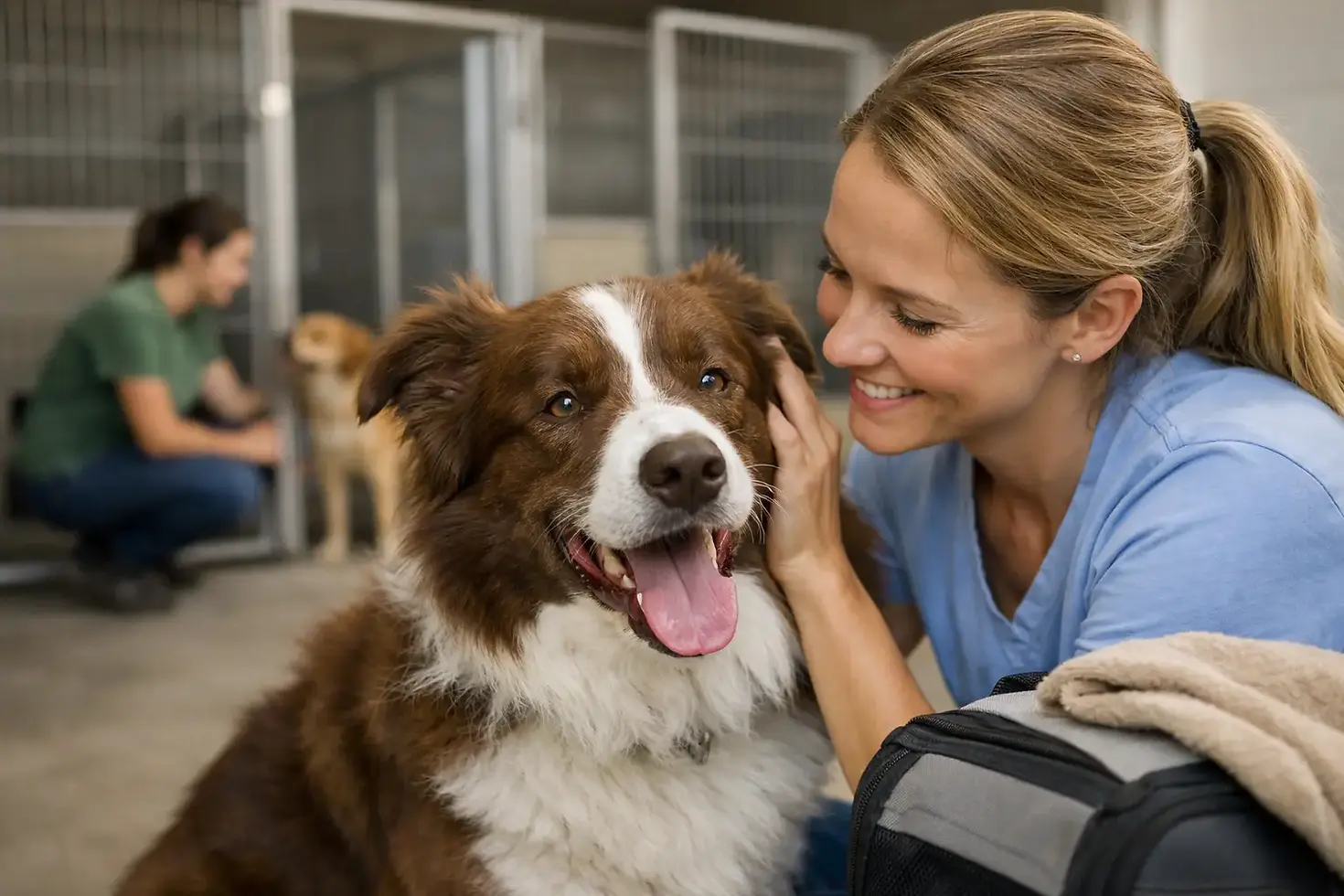
How to Reduce Boarding Stress for Your Dog
The hard part of boarding usually is not the overnight stay - it is the moment you picture your dog wondering where you went. If you have ever felt a little guilty at drop-off, you are not alone. Learning how to reduce boarding stress starts with one simple shift: treat boarding like a relationship your dog builds over time, not a sudden handoff before a trip.
Dogs do better when life makes sense to them. New smells, new people, new routines, and a different sleep setup can all feel like a lot, even for social pups. The good news is that stress is not a fixed part of boarding. With the right preparation, the right setting, and a little honesty about your dog’s personality, boarding can feel much more comfortable for everyone involved.
How to reduce boarding stress before drop-off
The biggest mistake many pet parents make is waiting until travel week to think about boarding. That is a lot of change all at once. If your dog has never spent time in the facility, never met the staff, and suddenly goes from sleeping at home to staying overnight somewhere new, stress makes perfect sense.
A gentler approach works better. Start with short visits if they are available. For many dogs, a daycare day or even a brief introductory visit helps them build familiarity before an overnight stay. They get a chance to learn the smells, the sounds, the play style, and the people who will be caring for them. Then, when boarding day arrives, it is not a total surprise.
This is especially helpful for dogs who are social but sensitive. Plenty of dogs love other dogs and still need time to warm up to a new environment. Others are confident in new places but more attached to their people. There is no one-size-fits-all timeline. The goal is simply to lower the number of new things happening at once.
Your own energy matters too. Dogs are experts at reading the room, and yes, that includes your face in the lobby. If you are tense, apologetic, or acting like something scary is about to happen, your dog may decide you are right. Calm, upbeat drop-offs tend to go better. Think cheerful and matter-of-fact, not dramatic and lingering.
Pick a boarding environment that matches your dog
If you want to know how to reduce boarding stress in a lasting way, this is where it really starts. Not every boarding setup is right for every dog.
Some dogs do well in a lively, social environment with supervised play, lots of interaction, and staff who know how to read group dynamics. Other dogs prefer a quieter pace with more personal space and fewer social demands. Stress can rise when a dog is placed in an environment that looks good on paper but does not match their temperament.
That is why asking smart questions matters. How are dogs introduced? How is rest built into the day? What does staff supervision look like? How are nervous dogs supported? What happens if a dog needs a slower approach? Cleanliness, structure, and experienced staff are not just nice extras - they are what turn a boarding stay from chaotic to comforting.
For urban dog owners especially, convenience matters, but it should not be the only filter. The best option is a place that feels safe, organized, and genuinely dog-savvy. A welcoming environment helps humans feel better at drop-off, and that confidence tends to travel right down the leash.
Keep your dog’s routine as familiar as possible
Dogs love predictability. They may not wear a watch, but they absolutely notice when breakfast happens late, when walks change, or when bedtime suddenly looks different. One of the easiest ways to reduce stress is to keep the basics as steady as possible.
Feed the same food your dog eats at home and send enough for the full stay, plus a little extra just in case. Sudden food changes can upset digestion, which can look like stress even when the environment is otherwise fine. If your dog has medications, supplements, or a very specific mealtime routine, communicate that clearly ahead of time instead of mentioning it quickly at the desk.
Sleep matters too. Many dogs settle more easily when they have a familiar item that smells like home, as long as the facility allows it. A favorite blanket or durable bed can help, but it depends on your dog. Some pups relax with comfort items. Others are too busy or too destructive for that to be practical. It is worth asking what is recommended rather than assuming more stuff is always better.
Exercise before drop-off can help, but there is a balance. A nice walk or some playtime that morning is great. Sending an overstimulated, exhausted dog into a new environment is less ideal. Think pleasantly tired, not completely spent.
Practice small separations at home
Some boarding stress is really separation stress in disguise. If your dog struggles whenever you leave the house, even for short periods, an overnight stay may be harder emotionally than socially.
That does not mean boarding is off the table. It just means your dog may need a little prep that starts at home. Practice brief departures without turning them into a big event. Avoid long, emotional goodbyes. Build positive associations with independence by giving your dog a safe activity when you step away, then returning calmly.
If your dog has more serious separation issues, be honest with your boarding team. This is not over-sharing. It is useful information that helps staff support your dog well. A good care team would much rather know what comforts your pup than guess wrong on day one.
Be honest about your dog’s social style
Every dog does not need to be the life of the party. Some are playful and outgoing. Some prefer people to dogs. Some enjoy short bursts of play and then want a break. Some are confident in public but need a slower intro in new spaces.
When pet parents downplay nervousness or overstate sociability, it can create a rougher experience than necessary. Being honest helps the staff set your dog up for success. It also helps you choose the right kind of stay. A dog who enjoys structured interaction may thrive in a social boarding setting. A dog who gets overwhelmed easily may need more rest and less stimulation.
There is no gold medal for pretending your dog is chill about everything. The best plan is the one built around who your dog actually is.
How to reduce boarding stress during longer stays
A one-night stay and a week-long trip are different experiences. With longer boarding, consistency becomes even more important. Clear feeding instructions, medication details, emergency contacts, and behavior notes help your care team keep things steady.
It also helps to avoid changing too many habits right before the stay. If you are working on a new food, a new crate routine, or a new training plan, consider whether it can wait until after you return. Travel week is usually not the moment for major life experiments.
For some dogs, longer stays actually get easier after the first day or two. Once they realize the routine, meet the caregivers, and settle into the rhythm, they relax. For others, shorter and more frequent practice stays are the better path before a longer trip. It depends on your dog, their past experiences, and how quickly they adapt.
If your boarding provider offers updates, enjoy them - but try not to read one sleepy photo like a crisis report. Dogs nap in new places. They take breaks. They process excitement. A good team will let you know if there is a real issue.
What pet parents can do for their own peace of mind
Let us be honest: sometimes the stress at boarding is ours. We miss our dogs, worry they feel abandoned, and imagine every possible problem while we are supposed to be out of office or out of town.
The best antidote is trust built in advance. Visit the space. Ask your questions. Notice whether the staff seems attentive, calm, and genuinely happy to be around dogs. Places that combine quality care with a welcoming community feel can make this whole experience less transactional and more reassuring. At BoneYard Seattle, that pack-minded approach is part of what helps dogs and humans settle in.
You are not a bad dog parent for boarding your dog. You are making a care decision. For many busy Seattle pet owners, the right boarding setup means their dog gets supervision, activity, structure, and attention instead of being left home alone for long stretches or watched in a setup that does not fit.
A little preparation goes a long way. Familiar faces, familiar routines, honest communication, and a setting that suits your dog can change the whole tone of boarding. And sometimes the most comforting thing to remember is this: dogs do not need perfection. They need to feel safe, understood, and cared for by people who know what they are doing.


Comments