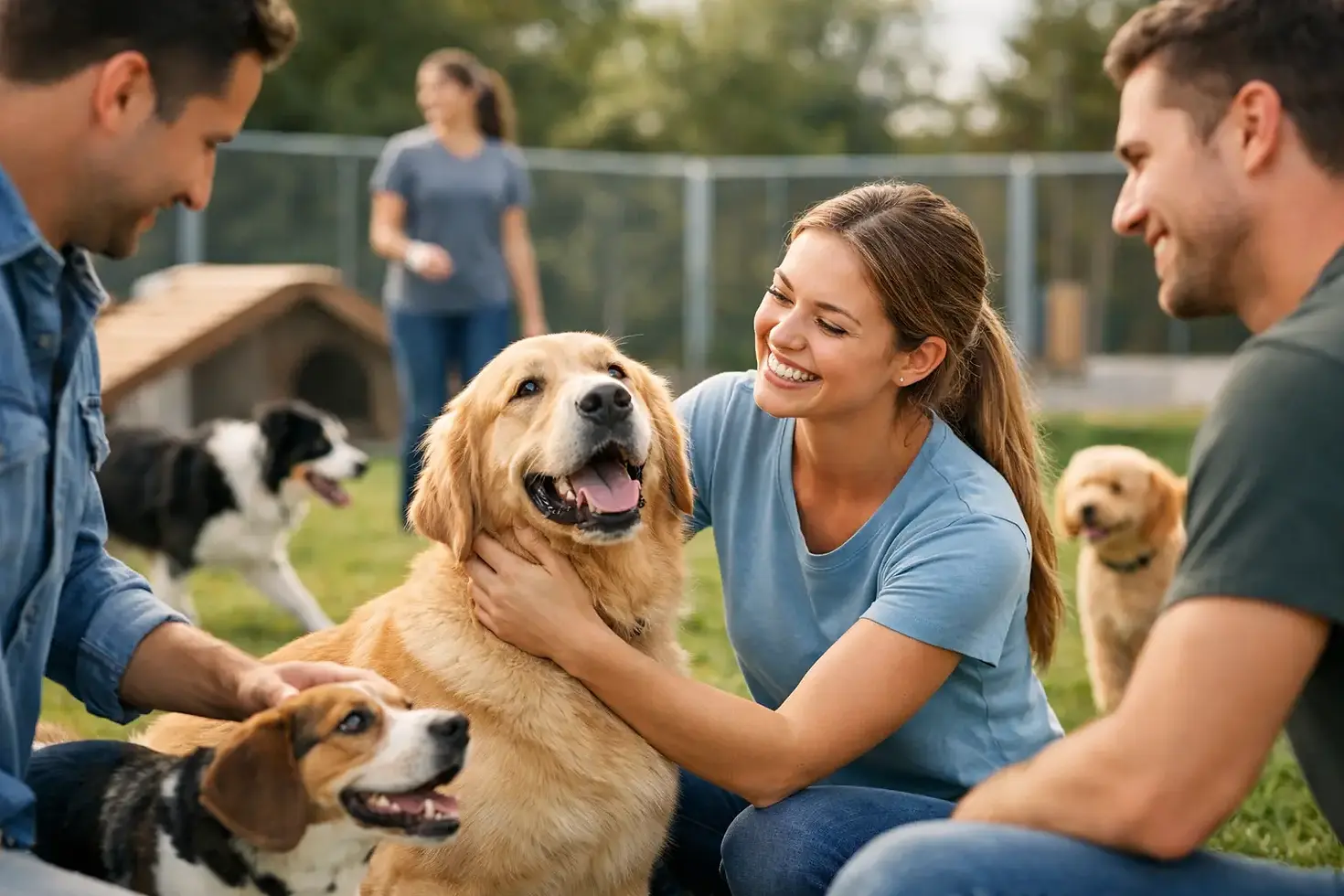
Dog Boarding That Feels Good for Everyone
A lot of dog parents know the feeling. Your trip is coming up, your bag is half packed, and instead of getting excited, you are wondering whether your dog will be confused, stressed, or stuck somewhere that feels more like storage than care. Good dog boarding should take that worry off your plate, not add to it.
That is why the best boarding experience starts long before drop-off. It starts with a place that understands your dog is family, your schedule is busy, and peace of mind matters almost as much as belly rubs. For many Seattle pet parents, dog boarding is not just about finding a safe overnight option. It is about finding a space where their dog is genuinely cared for, well supervised, and part of a friendly pack while they are away.
What dog boarding should actually feel like
The old-school image of boarding still lingers for a lot of people - rows of kennels, loud barking, rushed routines, and the sense that your dog is just waiting for you to come back. That setup may technically cover the basics, but most pet parents want more than the bare minimum.
A better version of dog boarding feels clean, calm, and thoughtfully run. It gives dogs structure without making them feel isolated. It gives owners confidence that their pup is being watched by people who know dog behavior, notice changes, and care about the little details. It also makes room for play, rest, social time, and comfort instead of treating every dog exactly the same.
That last part matters. Some dogs love active group play. Others do better with slower introductions, more downtime, or extra reassurance at bedtime. A quality boarding environment pays attention to those differences. The goal is not simply to get through the night. The goal is to help each dog settle in and feel secure.
How to choose dog boarding without second-guessing yourself
If you are comparing options, trust your instincts, but do not stop there. The best facilities make it easy to see how they operate. They are proud of their standards, clear about their routines, and happy to answer practical questions.
Cleanliness is usually the first tell. When a facility is well maintained, you can feel it right away. Floors, play areas, sleep spaces, and common areas should look and smell clean. That is not just about appearances. It speaks to health, safety, and how seriously the team takes day-to-day care.
Staffing is the next big piece. Dog boarding works best when trained team members are present, attentive, and comfortable reading canine behavior. Dogs can get overstimulated, anxious, excited, or tired very quickly in a new environment. A strong staff does not just supervise from across the room. They actively manage interactions, create positive routines, and step in before small issues turn into bigger ones.
It also helps to ask how the day is structured. Dogs tend to do better when there is a rhythm to their time away from home. Active periods, potty breaks, meals, rest, and overnight routines should all feel intentional. Constant chaos is not enrichment. Neither is too much confinement. The sweet spot is a balanced schedule that keeps dogs engaged without wearing them out.
Not all dogs want the same boarding experience
One of the biggest mistakes people make is assuming all boarding is basically equal if food, water, and a place to sleep are included. In reality, the right fit depends a lot on your dog.
A young social dog may thrive in a lively setting with play opportunities and supervised interaction. A more mature dog may prefer a quieter pace and a little more personal space. Some dogs are confident in new places from the first minute. Others need a slower warm-up, especially if they are more attached to home routines.
That does not mean boarding is only for easygoing dogs. It means a good facility knows how to support different personalities. Ask how they handle nervous arrivals, rest periods, feeding quirks, medication, and group compatibility. The answer should sound thoughtful, not one-size-fits-all.
For urban pet parents, this can be especially important. City dogs are often used to stimulation, regular walks, and social environments, but that does not mean every dog wants nonstop action. The best boarding setups know when to dial things up and when to let a dog decompress.
Why environment matters more than people think
Dogs notice atmosphere. They pick up on noise levels, energy, routine, and whether the people around them feel calm and confident. That is why environment shapes the entire boarding experience.
A welcoming space can make transition easier for both dogs and owners. When the setting feels more like a community hub than a sterile drop-off zone, it changes the emotional tone. You are not handing your dog off and hoping for the best. You are bringing them into a place designed for care, connection, and comfort.
This is where modern dog boarding has evolved in a really positive way. More pet parents are looking for spaces that reflect how they actually live with their dogs. They want professional care, yes, but they also want warmth. They want a team that knows their dog's name, notices their habits, and treats them like a regular, not a reservation number.
That neighborhood feel matters. It builds trust. It creates consistency. And for dogs who come back for daycare, boarding, or social time, familiarity can make overnight stays much easier.
Dog boarding and daycare can be a great match
For many dogs, boarding goes more smoothly when the environment is already familiar. That is one reason daycare and overnight care can work so well together. If your dog has spent time in the space before, met the staff, and learned the daily rhythm, boarding feels less like a sudden change.
There is a practical upside for owners too. You are not juggling separate care providers or trying to explain your dog's habits to a brand-new team right before a flight. You are working with people who already know your dog and have seen how they play, rest, and respond in a group setting.
At a place like BoneYard Seattle, that mix of care and community is part of the appeal. Dogs can enjoy a supervised, social environment, while owners get the convenience of a space that understands both pet care and hospitality. That kind of setup feels especially right for busy neighborhoods where people want quality care without sacrificing connection.
What helps your dog have a better boarding stay
Preparation makes a difference. Dogs do better when owners share clear information about feeding routines, medications, sensitivities, and social preferences. If your dog has a bedtime habit, a favorite comfort item, or a history of anxiety in new spaces, say so. Good care teams want that information because it helps them create a smoother experience.
Your own energy matters too. Dogs are experts at reading us. If drop-off feels dramatic, your dog may assume something is wrong. If it feels calm, upbeat, and confident, they are more likely to settle in. A cheerful goodbye usually works better than a long emotional exit.
It also helps to choose dog boarding before you desperately need it. Touring a facility, asking questions, and letting your dog get familiar with the environment ahead of time can take a lot of pressure out of the decision. It turns a last-minute scramble into a plan you actually feel good about.
The real value of dog boarding
At its best, dog boarding gives you more than coverage while you travel. It gives your dog a safe place to land and gives you room to focus on where you need to be. That might be a work trip, a family event, a weekend away, or simply a packed schedule that requires reliable support.
And yes, there is a practical side to all of this. You need the service to be dependable. You need the facility to be clean. You need the staff to know what they are doing. But the emotional side matters too. You want to picture your dog being cared for, not just contained.
That is the difference people remember. When boarding feels thoughtful, personal, and genuinely welcoming, your dog comes home tired in the good way, and you come home relieved instead of guilty.
The right place should make you feel like your dog has their own pack while you are away - and that is a pretty great way to leave town.


Comments